---
title: "KPIs Without Burnout: Sustainable Success Tips"
description: Discover how Liam O’Connor balances delivering results with sustainable leadership, avoiding the KPI trap while maintaining performance and well-being.
image: https://evolve2.au/hubfs/KPIs%20Without%20Burnout%20Sustainable%20Success%20Tips.png
---
- [Register Now](https://evolve2.au/find-a-course)
[.png?width=150&height=150&name=Evolve2%20Logo%20(Hi-Def).png "Evolve2 Logo (Hi-Def)")](https://evolve2.au/home)
- [Home](https://evolve2.au)
- About Our Courses
- [Evolve2 Leadership Program](https://evolve2.au/about-the-program)
- [Leaders & Managers](https://evolve2.au/leaders-managers)
- [Communication & Employee Engagement](https://evolve2.au/communication-employee-engagement)
- [Giving & Receiving Feedback](https://evolve2.au/giving-receiving-feedback)
- [Find a Course](https://evolve2.au/find-a-course)
- [Blog](https://evolve2.au/blog)
- [About Us](https://evolve2.au/about-us)
- [Contact Us](https://evolve2.au/contact-us)
[](https://evolve2.au/home)
close
- [Home](https://evolve2.au)
- About Our Courses
- [Evolve2 Leadership Program](https://evolve2.au/about-the-program)
- [Leaders & Managers](https://evolve2.au/leaders-managers)
- [Communication & Employee Engagement](https://evolve2.au/communication-employee-engagement)
- [Giving & Receiving Feedback](https://evolve2.au/giving-receiving-feedback)
- [Find a Course](https://evolve2.au/find-a-course)
- [Blog](https://evolve2.au/blog)
- [About Us](https://evolve2.au/about-us)
- [Contact Us](https://evolve2.au/contact-us)
# Leadership Unlocked
# *with Liam*
Leadership Growth
## KPIs Without Burnout: Sustainable Success Tips
- June 8 2026
- Liam O’Connor
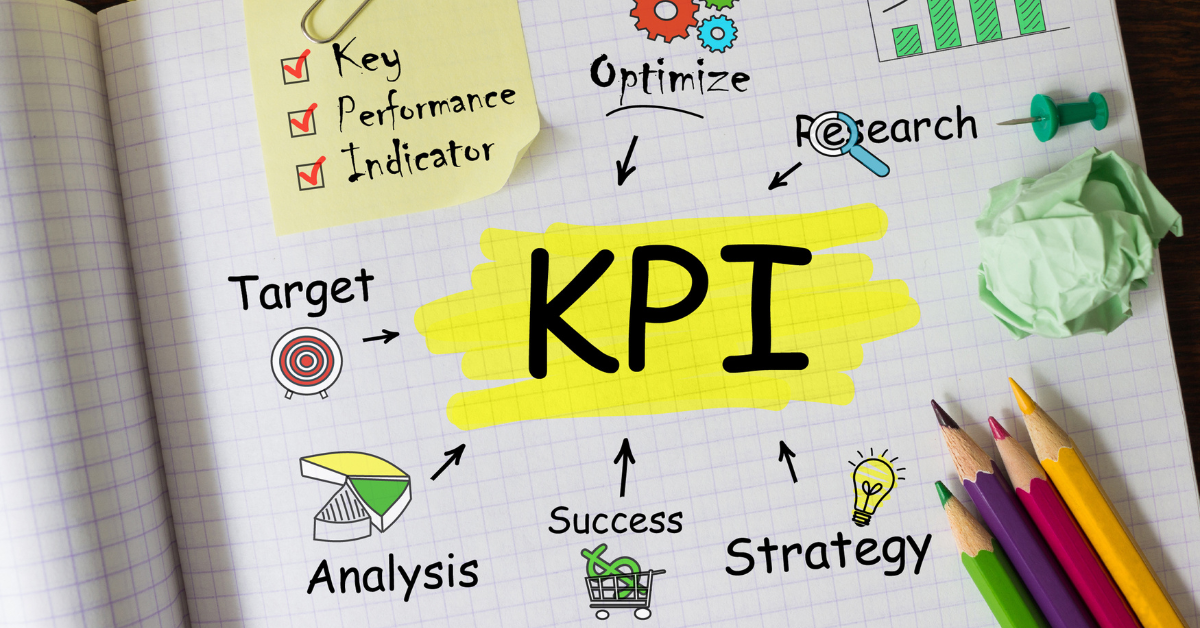
KPIs are the lifeblood of leadership—until they become soul-sucking monsters. I learned the hard way that chasing metrics without strategy is a fast track to burnout. My first experience managing a high-pressure project was a crash course. I was tracking every metric obsessively, sending constant updates, and somehow still feeling behind.
### **Lesson 1: Prioritise What Actually Moves the Needle**
Not every KPI deserves your energy. In one early project, I was fixated on a minor reporting metric while a major process inefficiency slipped through. The lesson? Focus on what actually impacts outcomes. Now, I identify 2–3 “critical KPIs” per project and let the rest fall where they may.
### **Lesson 2: Schedule Check-Ins, Not Panic Sessions**
Instead of reacting to every dashboard alert, I created weekly review times. At first, I felt guilty—not checking metrics constantly—but the pause allowed deeper thinking, better insights, and calmer leadership. Teams noticed too; meetings became more focused, less reactive.
### **Lesson 3: Celebrate Small Wins**
It’s easy to overlook progress when you’re KPI-focused. Early in my career, I almost forgot to celebrate hitting a small milestone because the big target was still months away. Taking time to acknowledge wins—sending a team Slack shoutout or a quick email—keeps motivation high and prevents burnout.
### **Lesson 4: Context is Everything**
KPIs alone tell half the story. One team might hit numbers by cutting corners; another might innovate without meeting exact targets. Including context in your reporting helps leadership understand the real picture and prevents pressure from building unnecessarily.
KPIs shouldn’t control you; they should guide you. Treat them as a compass, not a whip, and your leadership—and well-being—will thank you.
###### Tags:
[Leadership Growth](https://evolve2.au/blog/tag/leadership-growth) [Work Life Balance](https://evolve2.au/blog/tag/work-life-balance) [Performance Metrics](https://evolve2.au/blog/tag/performance-metrics)
###### Share on:
### Leave Your Comment Here
[](https://evolve2.au/home)
Empowering Tomorrow's Leaders, Today!
- PO Box 7241, Redland Bay, QLD, 4165
- Email: admin@evolve2.au
### Website Links
- [Home](https://evolve2.au)
- [About the Program](https://evolve2.au/about-the-program)
- [Find a Course](https://evolve2.au/find-a-course)
- [About Us](https://evolve2.au/about-us)
- [Contact Us](https://evolve2.au/contact-us)
### Our Partners
- [Industry Partners Australia](https://www.industrypartners.com.au/)
- [Efficiency Works](https://efficiencyworks.com.au/)
### Follow us on Socials
(c) 2024 All Rights Reserved.
[Privacy Policy](https://evolve2.au/privacy-policy) | [Disclaimer](https://evolve2.au/disclaimer)
```json
{
"@context" : "https://schema.org",
"@type" : "BlogPosting",
"author" : {
"@type" : "Person",
"name" : "Liam O’Connor",
"url" : "https://evolve2.au/blog/author/liam-oconnor"
},
"dateModified" : "2026-06-08T23:00:00.881Z",
"datePublished" : "2026-06-08T23:00:00.000Z",
"headline" : "KPIs Without Burnout: Sustainable Success Tips",
"image" : [ "https://evolve2.au/hubfs/KPIs%20Without%20Burnout%20Sustainable%20Success%20Tips.png" ],
"mainEntityOfPage" : {
"@id" : "https://evolve2.au/blog/kpis-without-burnout-sustainable-success-tips",
"@type" : "WebPage"
},
"publisher" : {
"@type" : "Organization",
"logo" : {
"@type" : "ImageObject",
"url" : "https://evolve2.au/hubfs/Logos/Evolve2%20Logo%20(Hi-Def).png"
},
"name" : "Evolve2 Pty Ltd"
}
}
```